
OUR TEAM
Leaders in design, architecture, planning, and neuroscience
BOARD OF DIRECTORS
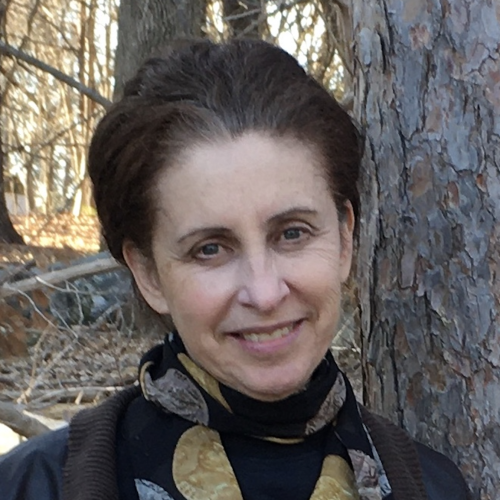
Ann Sussman, RA
Ann Sussman, RA, is passionate about understanding the human experience of the built environment. Her book, Cognitive Architecture, Designing for How We Respond to the Built Environment (Routledge, 2015; 2nd Edition, 2021) co-authored with Justin B. Hollander, won the Place Research Award from the Environmental Design Research Association (EDRA) in 2016. Her new book, Urban Experience and Design: Contemporary Perspectives on Improving the Public Realm, (Routledge 2020) also co-edited with Hollander, was released in November 2020. She currently teaches a course on perception and the human experience of place, Buildings, Biology & the Brain, at the Boston Architectural College (BAC). Learn more at theHapi.org’s blog: https://geneticsofdesign.com; website: annsussman.com.
President

Justin B. Hollander, PhD, FAICP, is a professor of Urban and Environmental Policy and Planning at Tufts University. His research and teaching is in the areas of physical planning, Big Data, shrinking cities, and the intersection between cognitive science and the design of cities. He co-edited the book Urban Experience and Design: Contemporary Perspectives on Improving the Public Realm (Routledge, 2020) and is the author of seven other books on urban planning and design, including Cognitive Architecture, Designing for How We Respond to the Built Environment (with Ann Sussman) and Urban Social Listening: Potential and Pitfalls for Using Microblogging Data in Studying Cities. He was recently inducted as a Fellow of the American Institute of Certified Planners, hosts the Apple podcast “Cognitive Urbanism”, and produces the comedy web series "Hubbub".
Justin B. Hollander, PhD
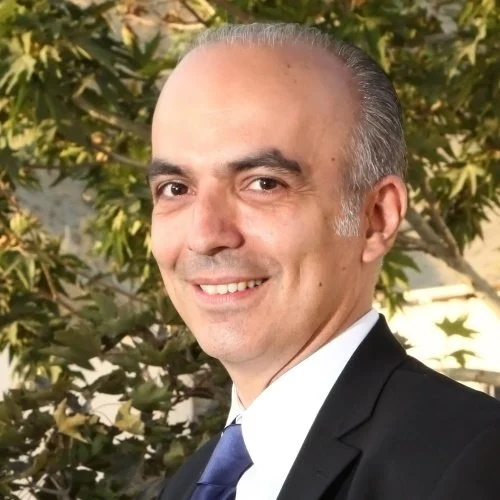
Alexandros A. Lavdas, MSc, PhD, is a tenured Senior Researcher Neuroscientist at Eurac Research, Bolzano, Italy and an Assistant Professor and Head of Psychology at Webster University, Athens Campus, Greece. He holds a PhD from University College London (UCL) and has worked at UCL and the Hellenic Pasteur Institute in Athens, and taught at the University of Indianapolis (Athens branch). He has worked extensively in nervous system development and regeneration, and is especially interested in examining elements of visual organized complexity, such as those found in nature and pre-modern architecture, and exploring their physiological and neural correlates.
Alexandros A. Lavdas, MSc, PhD
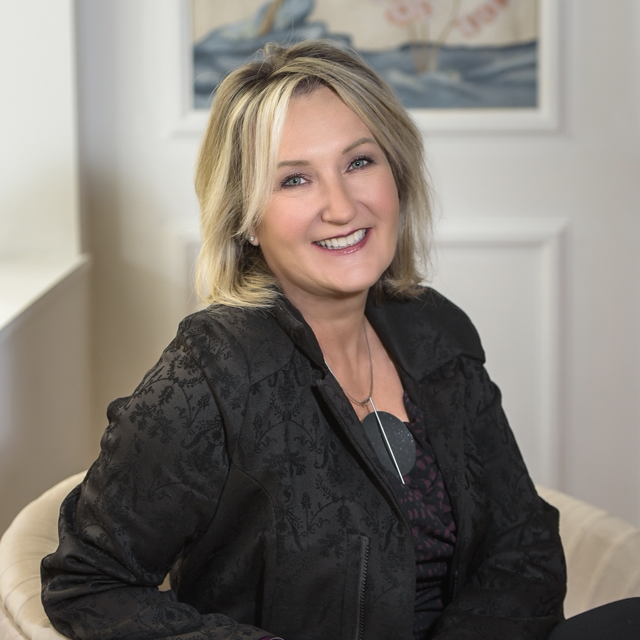
Linda Kafka, an accomplished marketing professional, has dedicated her career to promoting architecture and interior design that enhances human health and well-being. With over 15 years of experience in this area, she has established herself as an expert in educating the trades on designing space for living in that prioritize wellness, utilizing evidence-based design principles and embrace cutting-edge technology. A co-founder of Science-in-Design in 2020, a new educational platform for the interior design /architect sectors, Linda spearheads initiatives that bridge the gap between scientific research and design practice.
Linda Kafka

Abigail Sekely is interested in the intersection of architecture, neuroaesthetics, and historic preservation. Employing advanced technologies including eye tracking and facial expression analysis in her research, Abigail explores cognitive responses and emotional states, unraveling the intricate relationship between individuals and the built environment. Her recent publications include Using Eye Tracking to Reveal Responses to the Built Environment and Its Constituents by Rosas, Sussman, Sekely, and Lavdas.
Abigail Sekely
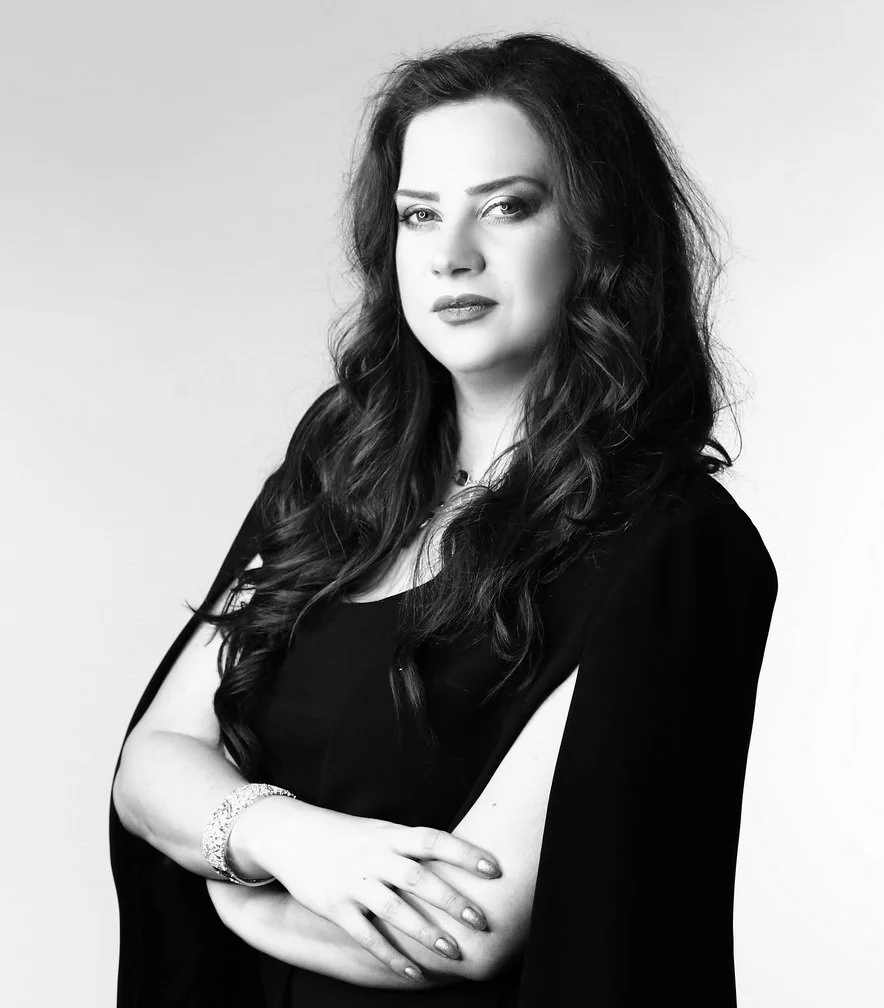
Maria El Helou is an architect and pioneer of neuroarchitecture in the MENA region since 2011. She holds a Master’s degree in Architecture (Lebanon), a Post-Master’s in Humanitarian Architecture (Portugal), and a PhD in Architecture (Greece), alongside doctoral-level research in architecture and psychology across the U.S. and Europe. She is the founder of the Academy of Neuroscience for Cities, Environments, and Design - ANCED LLC. Her work measures how environments shape identity, behavior, performance, and wellbeing, addressing PTSD, ADHD, dementia, posture/fascia, and stress-related disorders. She serves on IWBI’s WELL Mind Concept Advisory, is Senior Advisor at City Space Architecture, and is the founder and host of The Neuroarchitect podcast.
Maria A. El Helou
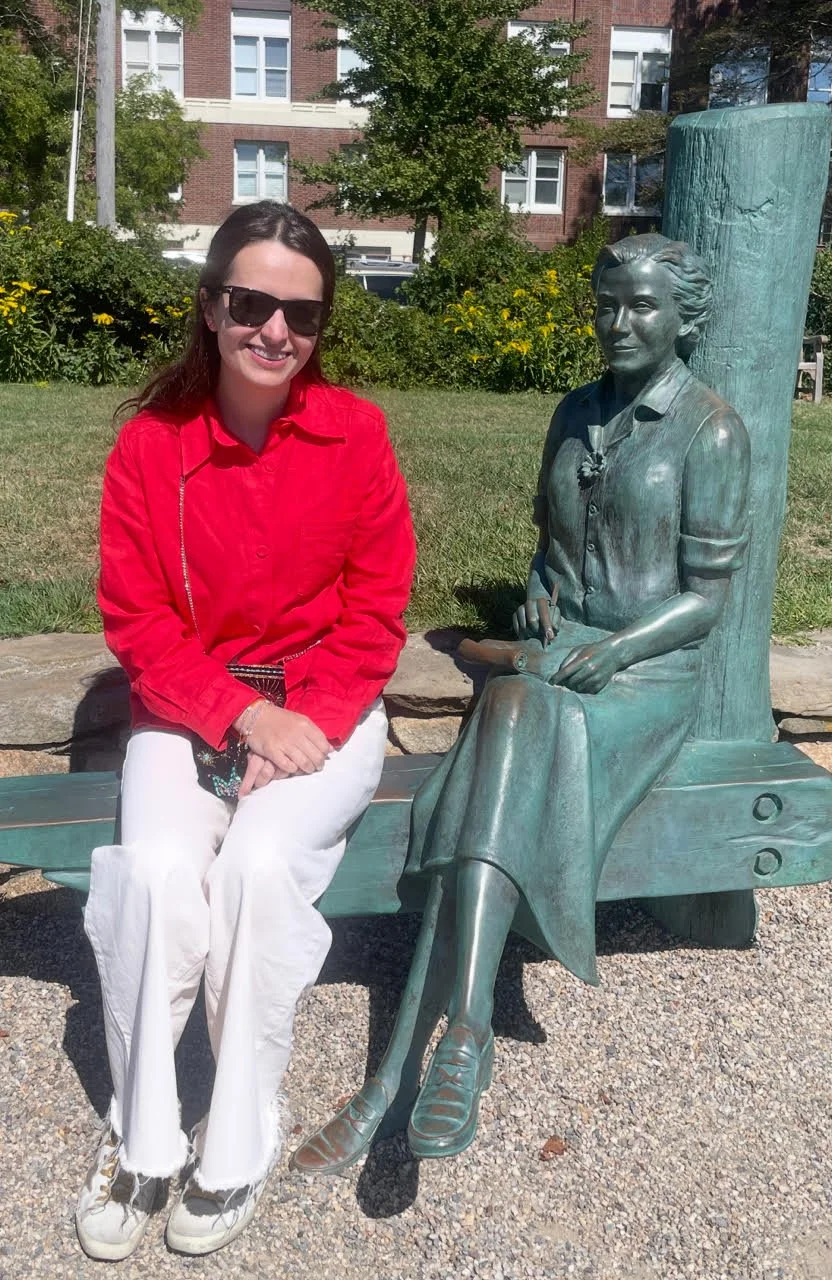

Nagina Mangal is a neuroscience postdoctoral researcher exploring how brain circuits influence the body and immune system in health and disease. Her work focuses on dopamine signaling in striosomes and how these neural pathways shape motivation, decision-making, and stress responses. By linking molecular and circuit-level mechanisms to behavior, she aims to understand how the brain’s chemistry impacts human experience, resilience, and wellbeing.
Nagina Mangal
Greta Goldade graduated from Northeastern University with a B.S. in Neuroscience and is passionate about bridging neuroscience and design to create more inclusive, human-centered architecture. Her interests focus specifically on using the way our brain processes sensory information to design more inclusive and human-centered healthcare environments.
Greta Goldade

STAFF
Simran Safer, MSc, WELL AP
Executive Director
Simran Safer is a sustainability and human performance strategist working at the intersection of neuroscience, public health, and the built environment. With a Master of Science in Health Communication and credentials as a WELL AP, her work focuses on translating evidence around human behavior, cognition, and well-being into healthier, more responsive spaces, systems, and cities.
Simran leads cross-sector initiatives exploring how design influences human health, performance, accessibility, and social connection. Her work bridges sustainability, neurodesign, and policy to help make the invisible impacts of place more measurable, understandable, and actionable.
ADVISORY BOARD
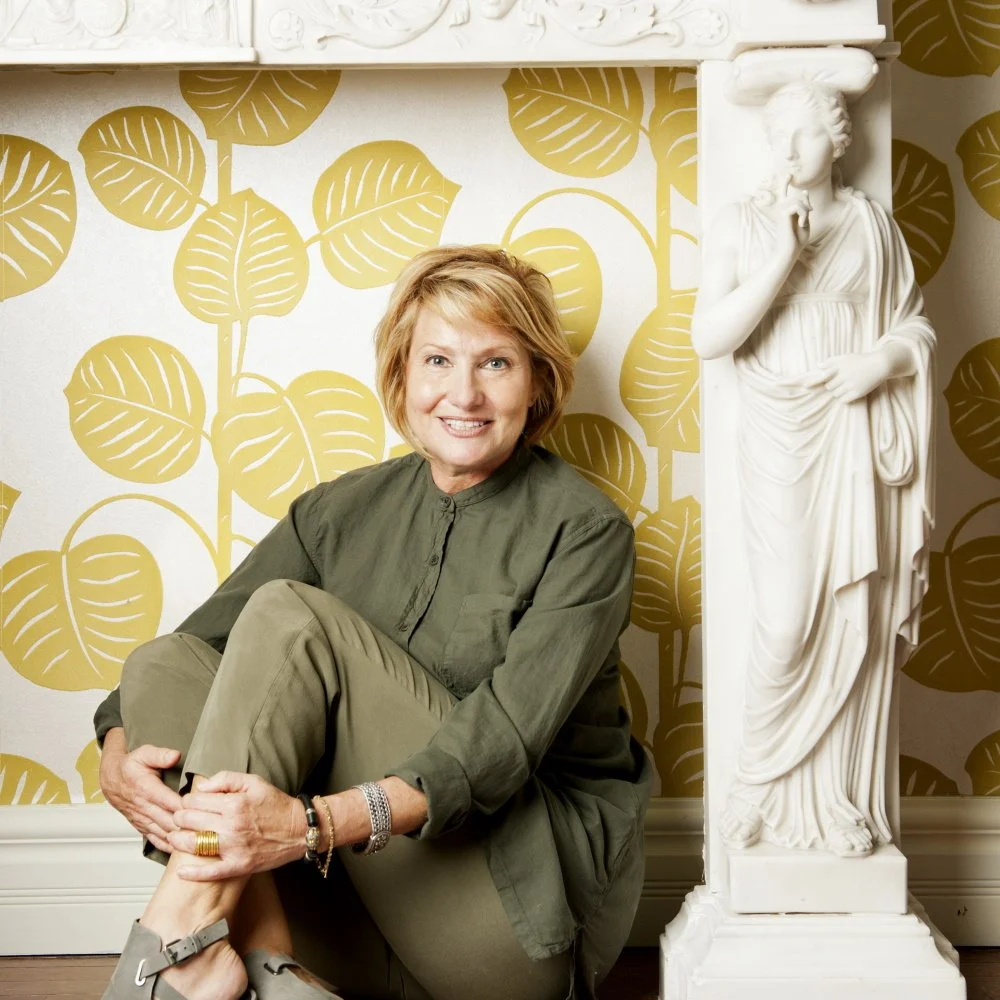
Heidi Pribell is an award-winning interior designer who runs the firm, Heidi Pribell Interior Design (HeidiPribell.com). An expert in textiles, patterns and ornamentation she has taught at the Boston Architectural College (BAC) interiors program.
Heidi Pribell
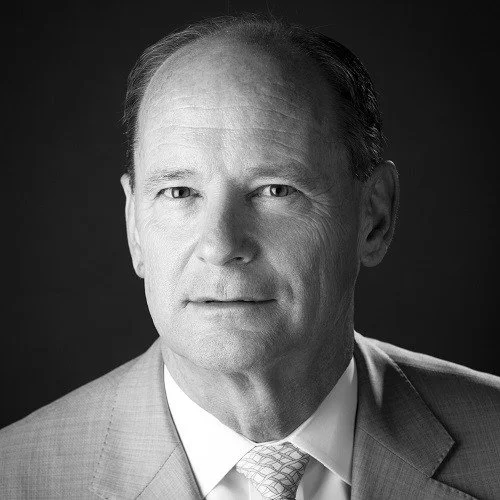
Donald H. Ruggles, AIA, is CEO Emeritus of Ruggles Mabe Studio, a residential architecture and interior design firm based in Denver, Colorado. Founded in 1970, the firm is dedicated to the idea that beauty can improve the lives of its clients, with award-winning projects featured in publications world-wide. Don is the author of the book Beauty, Neuroscience & Architecture (2017), and Executive Producer of the full-length documentary movie Built Beautiful (2020). Don is also a member of the faculty at the University of Colorado Denver College of Architecture & Planning where he is the Director of the Classical Studies program and serves as a long-standing member of the Board of Advisors.
Don Ruggles, AIA

Kelsey Bradley
Kelsey Bradley has been working in the nonprofit space since she founded Design Cause Inc. in 2016. Her work led to the successful completion of 10 new primary and secondary school classrooms across multiple communities in Cameroon and Malawi. Kelsey is now focused on how the built environment impacts mental health at an individual and community scale and is excited to further her interests through the work of The Human Architecture and Planning Institute. Kelsey holds a Bachelor of Architecture from Thomas Jefferson University and will be entering a graduate program in urban planning in the fall of 2025.
BOARD MEMBERS EMERITUS
A. Vernon Woodworth III - Urban Determination
Interested in getting involved?
We welcome collaborators, researchers, educators, students, and supporters interested in advancing human-centered architecture and planning.