
IN-PERSON WORKSHOP
Eye Tracking for Architects
A 3-day hands-on workshop on the science of visual attention. Learn how people take in the built environment, then design and run your own biometric pilot study.
Dates TBD
Downtown Boston
6 LU|HSW AIA CE CREDITS
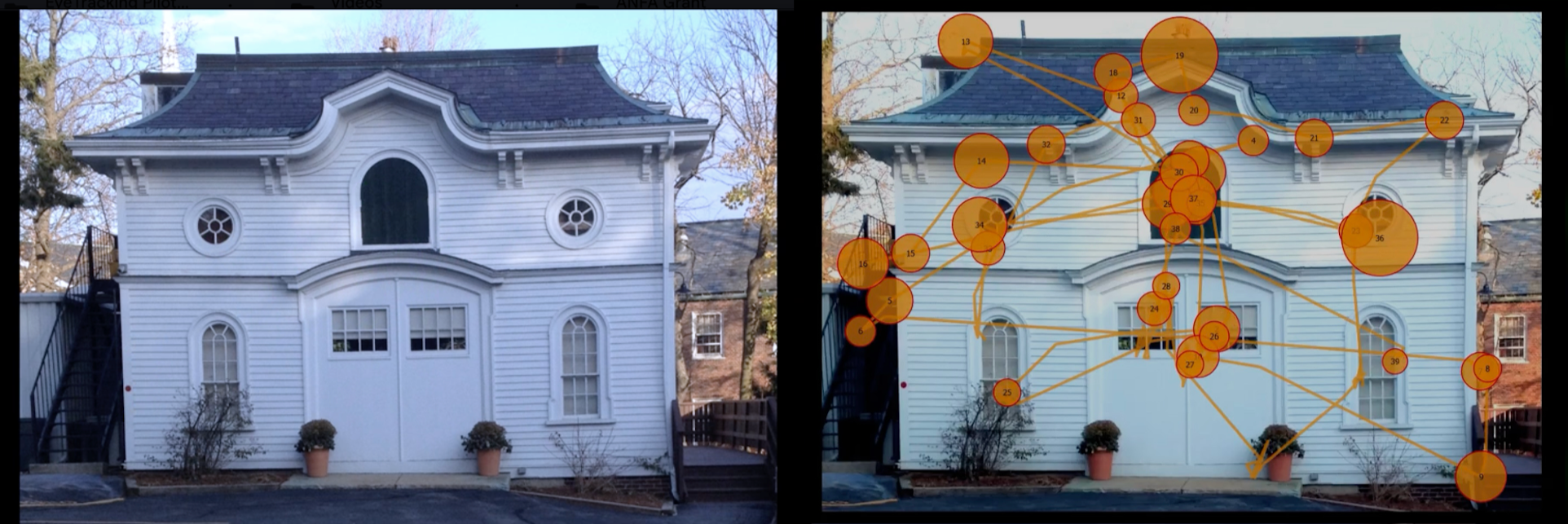
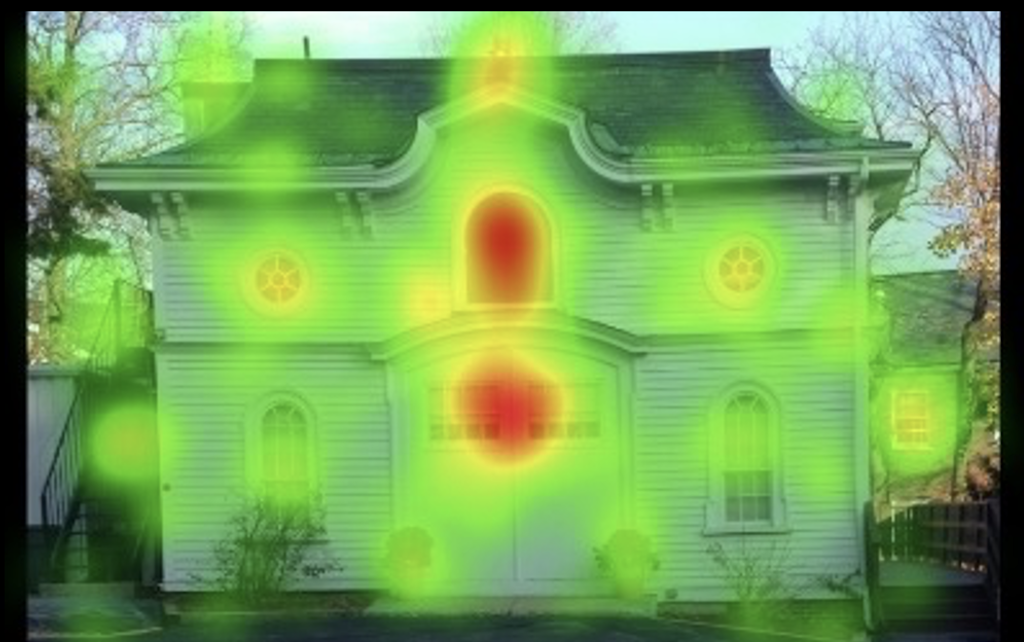
Learn how people take in the built environment, using leading biometric tools to understand human experience + improve design outcomes.
In this 3-day hands-on workshop, you'll explore eye tracking and the science of visual attention and then put it to work, designing and running your own biometric study with research experts to help out.
The big idea: eye tracking tools let you 'see' the unseen and can help you understand how non-conscious behaviors direct our experience of the built environment + knowing this can improve design outcomes.
Key take-aways:
Explore eye tracking tools that reveal how our brain directs our attention non-consciously;
Lean how people take in scenes subliminally, what people instantly notice and ignore;
Set up and run your own pilot study, on images and projects you choose;
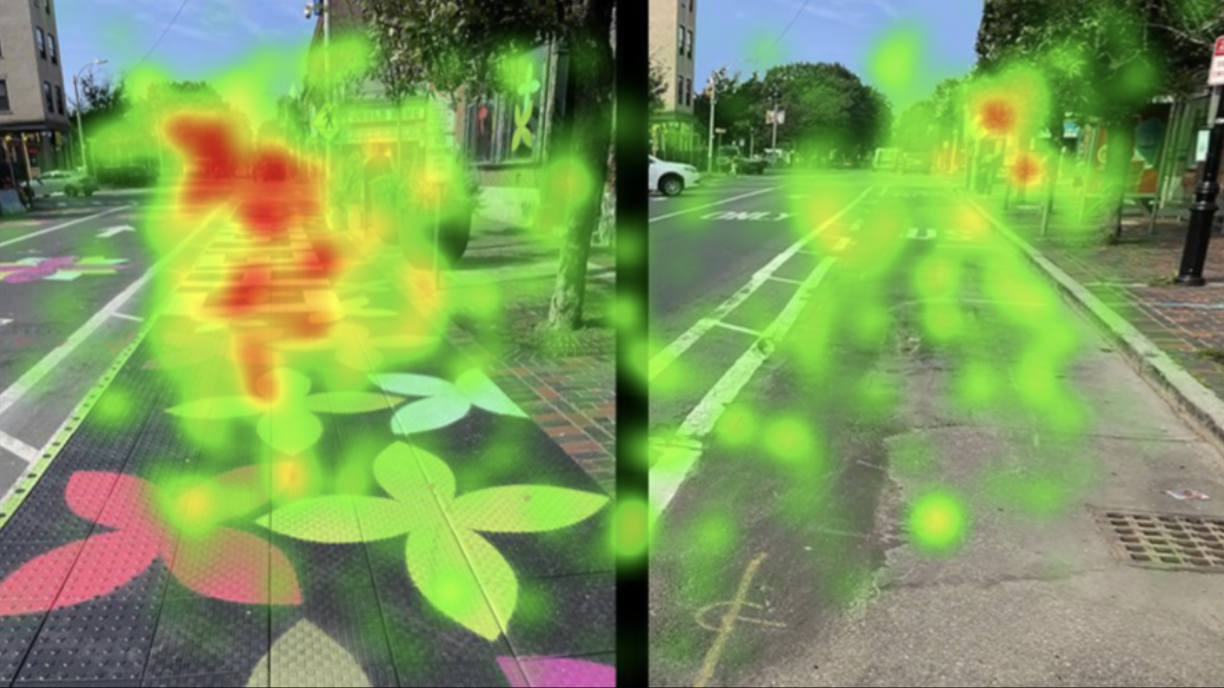
Analyze + present your results: heatmaps, gaze paths, areas of interest and attention metrics;
Network with researchers, architects and firm leaders working to bridge disciplines.
You'll walk away with your own biometric pilot study, a new vocabulary to assess design, and a research capability that few architects in the country offer clients. You'll never look at your work the same way again.
What Eye Tracking Is
Eye tracking records where a person looks, in what order and for how long. A camera follows the eye while a subject views an image or a scene, and the software renders those measurements as a heatmap showing where attention concentrated, a gaze path tracing the route the eye travelled, and metrics for the areas that held interest longest.
This 3-day Academy, created specifically for architects and designers, is a condensed version of the iMotions Academy, the five-day certification program in human behavior research that iMotions has run internationally for researchers in industry and academia since 2016.
Who Should Attend
Practicing architects, designers, planners and students. No research background or technical experience required.
What to Bring
Please bring a laptop with a working webcam. The iMotions platform is web based, so there's nothing to install.
Workshop Partners

Interested?
Questions? Email contact@thehapi.org